
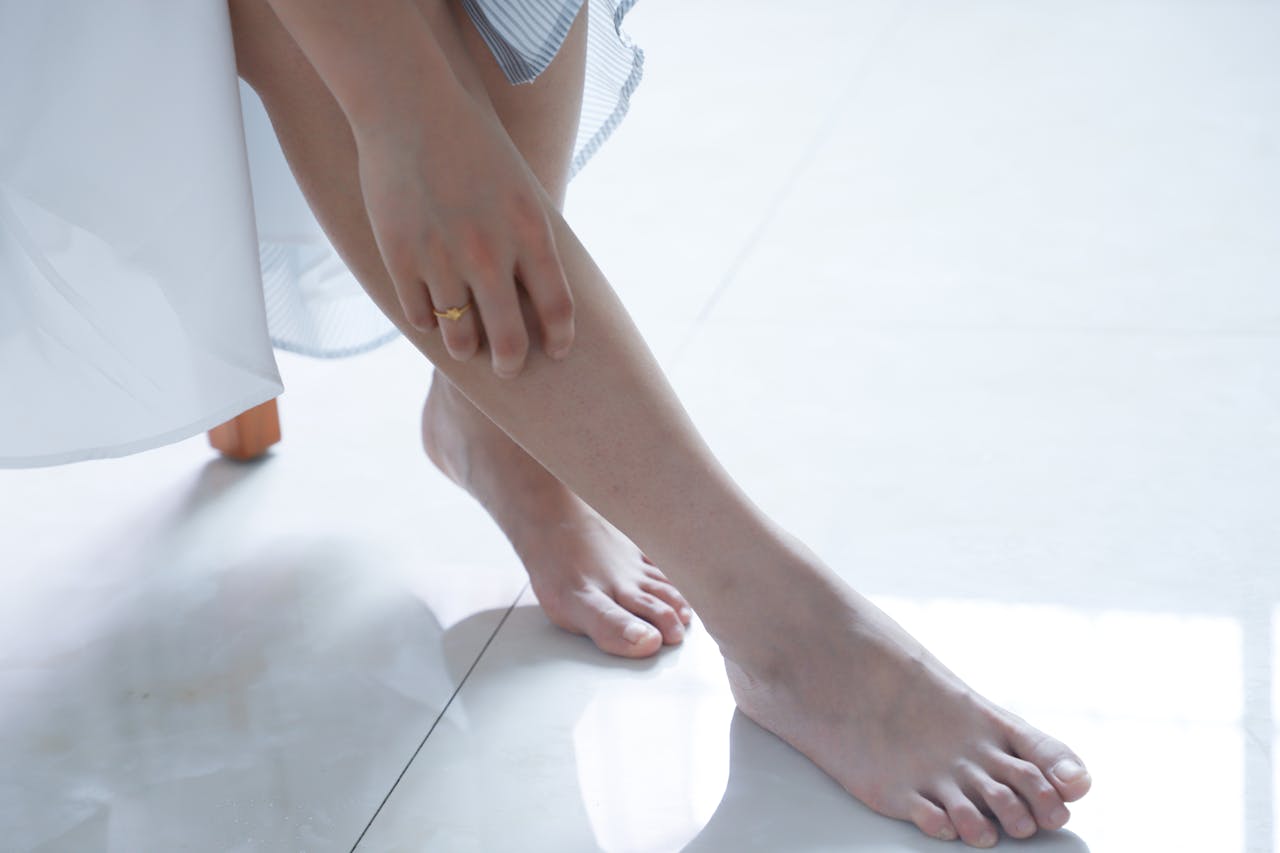
Varicose veins are enlarged, twisted veins that usually show up on the legs. They often feel heavy, achy, or itchy. They form when tiny valves inside the veins do not work as well as they should, so blood has a harder time moving back up toward the heart.
What many people do not realize is that everyday routines can quietly make these veins feel much worse. At physicians’ vein care visits, people are often surprised to hear that small, repeated habits are adding to their pain. The goal of this article is to help you notice those habits and make simple, realistic changes that protect your legs over time.
Early spring is a great time to reset. Schedules shift, daylight lasts a little longer, and in Florida, that often means more walking, more travel, and more time outside. This is the perfect moment to give your legs a break before the long stretch of warm, busy months ahead.
How Sitting and Standing All Day Strain Your Veins
Our veins like movement. When we sit or stand still for long periods, blood can pool in the lower legs. That extra pressure can make varicose veins ache, throb, and swell.
Prolonged sitting, like working at a desk, watching TV, or taking long drives, slows your circulation. The calf muscles are not squeezing and relaxing as much, so the blood does not get the natural pumping action it needs. After a while, legs can feel tight, heavy, or restless.
Standing still for hours can be just as hard. Many jobs in retail, hospitality, and healthcare require people to stay in one spot. When you stand in place, gravity pushes blood down into the legs, and the vein valves have to work extra hard. That can lead to:
- A heavy, dragging feeling in the legs
- Throbbing or cramping by the end of a shift
- Swelling around the ankles
You do not need a complete lifestyle overhaul to help your veins. A few realistic changes can make a difference over time:
- Set a reminder on your phone or watch to move every 30 to 60 minutes
- Do simple calf-pump moves, like rising up on your toes and slowly lowering your heels
- Shift weight from one leg to the other and take short walks when you can
- If your job allows, alternate between sitting and standing during the day
If you make these changes and still notice ongoing pain, swelling, skin color changes, or sores that heal slowly, it may be time to look into physicians’ vein care. That way, a medical team can check for deeper vein problems that habits alone cannot fix.
Everyday Clothing and Footwear That Work Against Your Legs
What we wear can quietly affect how blood moves through the legs. Some clothing and shoes put extra pressure on key areas and make it harder for veins to do their job.
Very tight waistbands, skinny jeans, and shapewear can squeeze the veins in your groin and lower abdomen. When that area is compressed, blood from your legs has a tougher path back to your heart. Over time, that can lead to more bulging, pressure, and discomfort in varicose veins.
Shoes matter, too. High heels shift your weight forward and keep your calf muscles from moving through a full range of motion. Thin, unsupportive shoes do not help much either. Since your calf muscles act like a pump for blood flow, anything that blocks their natural movement can make leg symptoms worse.
As you freshen up your spring wardrobe, it can help to:
- Choose softer waistbands or clothes with a bit of stretch
- Save tight shapewear for short events, not all-day wear
- Pick lower heels for everyday use and reserve very high heels for brief outings
- Look for supportive walking shoes with good cushioning
For many people with varicose veins, properly fitted compression stockings can also be helpful, especially for long work shifts or travel days. These special garments gently support the veins and can reduce swelling when used as part of a plan guided by a medical professional.
Diet, Hydration, and Weight Gain That Add Pressure
Extra body weight puts more pressure on the leg veins. That added load can make existing varicose veins progress more quickly and can worsen symptoms like aching and swelling.
Food and fluid choices play a role too. Salty, processed foods can lead to the body holding on to more water. This extra fluid can collect in the lower legs and ankles, which makes veins stand out more and feel uncomfortable. When we do not drink enough water, the body also has a harder time keeping blood flowing smoothly.
You do not need a perfect diet to support better vein health. Small, steady changes can help:
- Add more fiber with foods like beans, whole grains, and fresh produce
- Fill your plate with colorful fruits and vegetables that support overall circulation
- Drink water throughout the day, especially in Florida heat and humidity
- Start by cutting back on very salty snacks and restaurant foods
These lifestyle habits often work best when paired with professional physicians’ vein care. Medical treatment can address the damaged veins directly, while daily choices support long-term comfort and help slow new problems from forming.
Hidden Triggers: Heat, Hormones, and Certain Medications
Some triggers that bother varicose veins are easy to miss because they are part of normal life, especially in a warm place like Florida.
Heat is a big one. Hot baths, hot tubs, saunas, and long stretches in direct sun can cause veins to widen, which is called dilation. When veins dilate, it is easier for blood to pool in the legs, which can increase swelling and tired, achy feelings.
Hormones can also affect vein health. During pregnancy, blood volume rises and vein walls may feel more stretched. Birth control, hormone therapy, and menopause can shift hormone levels, which might weaken vein walls or make existing varicose veins more noticeable.
Some medications may change circulation or fluid balance too. It is important not to stop or change any medicine on your own. Instead, let your healthcare provider know about your leg symptoms so they can decide what is safe and helpful for you.
A few practical steps include:
- Choosing cooler showers more often than very hot baths
- Limiting time in hot tubs or saunas
- Resting with legs elevated after long, hot days outside
- Keeping regular check-ins with a family medicine physician if you notice new or worsening leg issues
These simple habits can take some of the extra strain off your veins, especially during long, sunny seasons.
Daily Habits That Protect Your Veins Starting Today
Caring for varicose veins is not about being perfect. It is about noticing what your body is telling you and making small changes that fit into real life.
Key habit shifts that may help include:
- Taking regular movement breaks from sitting or standing
- Choosing clothing and shoes that allow your legs to move and breathe
- Drinking more water and easing into a higher fiber, lower sodium way of eating
- Being mindful of heat exposure and giving your legs time to cool and rest
You do not have to wait until vein problems become severe or limit your everyday life. Early attention can help you stay more comfortable and active over the long term.
At The Burress Medical Center in Lady Lake, we offer physicians’ vein care as part of a broader approach to health that includes family medicine and regenerative care. A visit for vein concerns can include a personalized assessment, non-invasive testing as needed, and a clear plan that blends medical treatment options with realistic lifestyle guidance. Together, we can help you build habits that support healthier, more comfortable legs through every season.
Restore Comfortable, Confident Legs With Expert Vein Care
If you are ready to address leg pain, swelling, or visible veins, our team at The Burress Medical Center is here to help. Explore our specialized physicians’ vein care to understand your options and get a personalized treatment plan. We will walk you through each step so you can feel informed, supported, and confident in your care. Schedule your visit today and take the first step toward healthier legs and better everyday comfort.