
When “Joint Pain” Is Really a Vein Problem
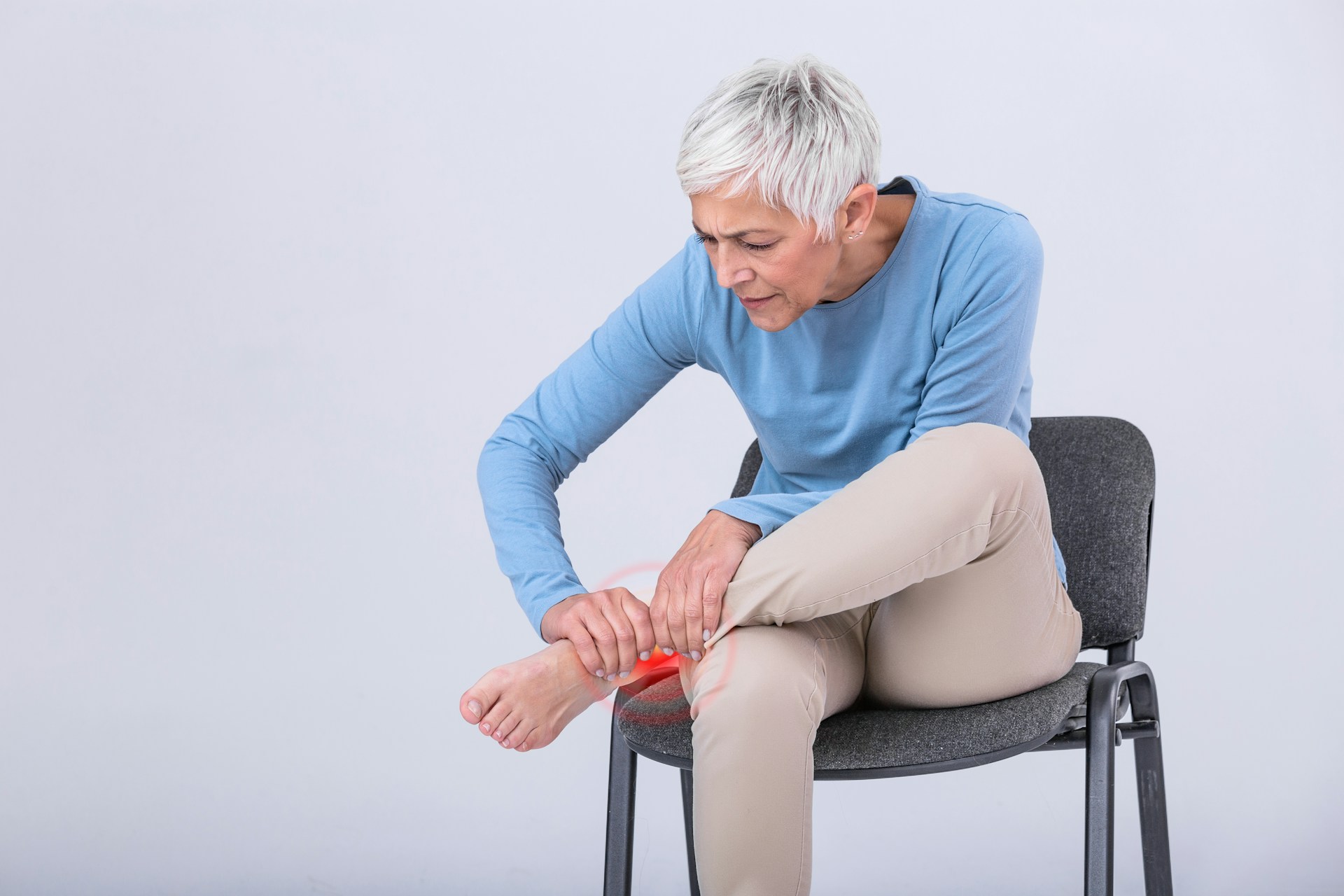
Leg pain is not always what it seems. Many people blame aching knees, sore ankles, or burning calves on arthritis, sciatica, or just getting older, when the real problem is hiding in the veins.
Vein disease can cause pain that feels deep, stiff, and achy, a lot like joint or nerve trouble. It often shows up after you’ve been standing at spring and summer events, walking around theme parks, working long shifts on your feet, or sitting in the car on the way to the beach. Some people feel restless legs at night or a hot, burning feeling in the calves and assume it must be from nerves.
Our goal in this article is simple. We want to help you spot when your pain might be coming from your veins, understand how physicians’ vein care can make a difference, and know when it is time to see a vein clinic, especially if you live in or near Lady Lake.
How Vein Issues Imitate Joint and Nerve Pain
Inside your legs, veins are supposed to carry blood back up toward your heart. Tiny valves act like doors that keep blood moving the right way. With chronic venous insufficiency, those valves get weak. Blood falls back down, pools in the lower legs, and builds pressure in the vein walls.
As that pressure builds, it can stretch the vein and surrounding tissues, irritate nearby nerves, and trigger pain signals that feel deep in the leg.
This is why vein pain can be so confusing. It often feels like a dull ache or heaviness around the knees and ankles (very similar to joint wear and tear), a burning or tingling sensation like pins and needles in the lower legs (which sounds like nerve pain or neuropathy), or a cramping and tightness in the calves, like a muscle strain after a long day.
A key clue is how the pain behaves. Vein-related pain often:
- Gets worse in warm weather and humidity, which is common in Central Florida
- Flares after long car rides or flights
- Shows up after standing at work, outdoor festivals, or kids’ sports
- Eases when you put your feet up for a while
If your aching legs seem to argue with gravity and heat, not just age or activity, your veins may be involved.
Clues Your Pain Is Coming From Your Veins
Joint and nerve problems can hurt, but they usually do not change how the skin and surface veins look. Vein issues often do, so paying attention to what you see on your legs can give you big hints.
Common vein warning signs include:
- Visible varicose veins that look twisted or rope-like
- Spider veins, those thin red or blue lines near the skin surface
- Bulging cords under the skin that were not there before
Physical changes are also important clues:
- Swelling that gets worse through the day, especially around the ankles
- Socks that leave deep marks by evening
- Skin changes, like brownish discoloration around the shins
- Itchy, dry, or thinning skin on the lower legs
Timing matters too. Vein pain often:
- Feels heavier as the day goes on
- Improves when you elevate your legs or lie down
- Acts up in the evening or at night
- Flares in hot, humid weather or after a hot bath
When we see a cluster of symptoms like heaviness, swelling, night cramps, restlessness, and tight sock marks, we think about a vein problem. In those cases, more pain medicine alone usually is not enough. The source of the pain needs to be checked with physicians’ vein care.
Vein Pain Versus Arthritis or Nerve Problems
It helps to compare what we expect from arthritis or nerve issues with what we see in vein disease. Many people over middle age have more than one thing going on in their legs, so sorting this out carefully is important.
Arthritis often shows up like this:
- Morning stiffness that slowly gets better as you move
- Pain felt right inside the joint, such as the center of the knee or hip
- Creaking, grinding, or loss of motion in that joint
- More trouble with certain motions, like squatting or turning
Arthritis pain does not usually:
- Cause big changes in skin color on the lower legs
- Lead to lots of ankle swelling by evening
- Improve quickly when you raise your legs for a short time
Nerve pain patterns are different. Common signs are:
- Shooting, electric, or burning pain that runs from the back or hip down the leg, like classic sciatica
- Numbness or tingling in a clear line or small area, such as the side of the foot or the outside of the calf
- Weakness or clumsiness in the leg or foot
- Pain that may be tied to certain back or hip positions, not to standing or heat
Vein-related pain, by contrast, leans more toward heaviness, throbbing, and fullness, often with swelling and visible veins. But here is the tricky part: many people have some arthritis, a bit of back trouble, and early vein disease all at once. That is why a careful leg and health review at a clinic that offers both family medicine and focused vein care can be so helpful. We can look at the whole picture instead of guessing.
Modern Vein Diagnosis and Treatment Options
If your pain sounds like it might be vein related, you may wonder what happens in a vein visit. At a dedicated vein evaluation, we usually:
- Talk with you about your symptoms, daily routine, and health history
- Examine your legs while you are standing and sitting
- Check for tenderness, swelling, skin changes, and visible veins
The key test is often a venous ultrasound. This is a noninvasive scan that:
- Uses sound waves to look at the veins in your legs
- Shows how blood is flowing and where it may be backing up
- Does not use needles, contrast dye, or radiation
Once we know which veins are causing trouble, physicians’ vein care can include several modern options, selected based on which veins are involved and how your symptoms are affecting daily life. Common treatments are:
- Endovenous ablation, where gentle heat or special medicine is used inside the vein to close it from the inside
- Ultrasound-guided injections to treat deeper problem veins
- Microphlebectomy, which means removing bulging surface veins through tiny openings
- Compression and simple lifestyle steps to support better circulation over time
Most of these procedures are done in the office, with you walking in and out the same day. Because we also provide broader medical care, we can shape a plan around your other conditions, like diabetes, heart concerns, or chronic pain, so everything works together.
When to Call a Vein Clinic in Lady Lake
So how do you know it is time to see a vein specialist in the Lady Lake area? It may be time to schedule a visit if:
- Leg pain, heaviness, or fatigue lasts more than a few weeks
- Your ankles or lower legs swell by the end of most days
- You see new varicose or spider veins
- The skin on your lower legs looks darker, itchy, or irritated
- You wake up at night with leg cramps or restless legs that do not respond to simple rest
There are also urgent warning signs that need fast medical care. These can include:
- Sudden swelling in one leg
- New warmth, redness, or hard veins in that leg
- Severe calf pain that started all at once
These symptoms can be signs of a blood clot and should never be ignored.
As days get longer and many people in Central Florida spend more time on their feet, small signs of vein trouble often show up. If leg discomfort has started to limit your walking, travel, or time outside, getting a focused vein evaluation at The Burress Medical Center can help you understand what is really going on with your legs and what thoughtful, research-based options you may have for relief.
Take The First Step Toward Healthier, Pain-Free Legs
If you are noticing leg discomfort, swelling, or visible veins, we are here to help you address them before they progress. At The Burress Medical Center, our team provides comprehensive evaluation and personalized treatment plans tailored to your needs. Explore our specialized physicians’ vein care to see how we can improve your comfort and mobility. Schedule a visit today so we can work together on a clear path to healthier veins.