


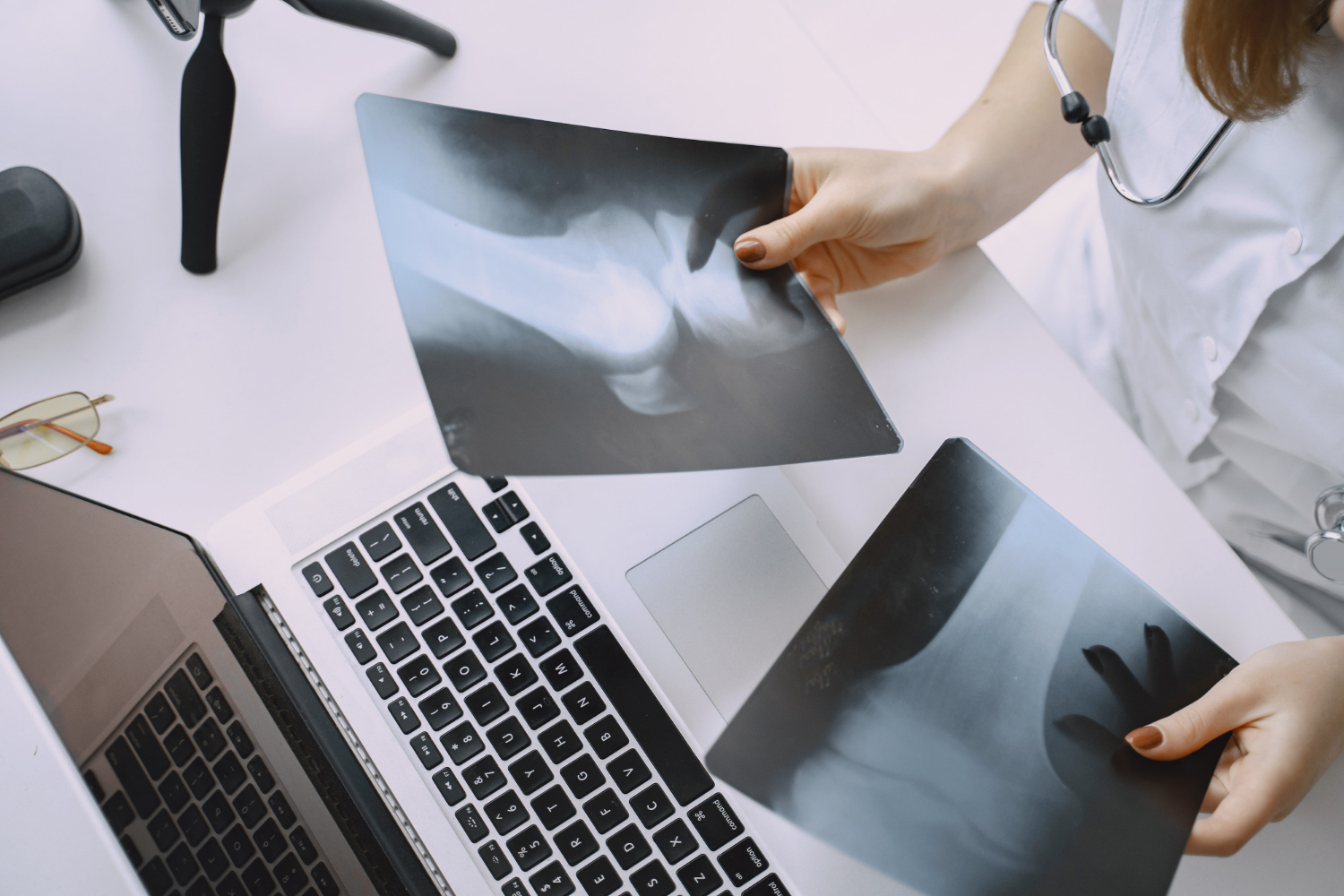
When someone comes to us for help with joint pain or stiffness that does not seem to let up, one of the first things we do is take a look at medical imaging. Whether it is an X-ray, MRI, or another type of scan, this step gives us a better sense of what is really going on inside. As a regenerative medicine specialist, being able to see the structure and condition of the body early helps shape care that matches what our patients need most.
We will walk through the specific things we look for in those first images. It is not just about spotting a bad knee or a sore back. It is about getting a clear sense of how the body is working (or not working) so we can move forward in the best way possible.
Looking at Bone Health and Joint Spaces
The shape and spacing of bones tell us a lot. In many cases, we work with knees, hips, or the spine. These are areas that carry a lot of weight and get used every day, especially for people who enjoy staying active around Lady Lake and The Villages.
When we look at joints, we are checking:
- How much space there is between bones
- Whether that space has changed from what is expected
- If bone spurs or rough edges are forming
For example, narrowing in the knee joint can mean the cartilage has worn down. That kind of wear is common, especially in people who like to walk, golf, or stay busy outside as the seasons shift from spring into summer. These images help flag signs of early arthritis or catch quick changes that may not line up with how someone feels yet.
Our regenerative medicine clinic at The Burress Medical Center looks for these subtle changes as part of every initial evaluation, aiming for a precise understanding before recommending any therapy.
Checking for Soft Tissue Strain or Swelling
Bones give us the framework, but soft tissue can be where the pain starts. Ligaments, tendons, and cartilage do not always show up clearly in X-rays, which is why we look to MRIs when we suspect strain or irritation.
In those scans, we search for:
- Signs of swelling or fluid build-up around joints
- Small tears in tendons or ligaments
- Movement patterns that might be causing repeated stress or pinching
Someone may feel sore after playing tennis or gardening, but it is not always just general soreness. Sometimes there is pressure in a certain spot or a slow, nagging pain that hints at something more. Seeing inflammation or subtle damage on a scan helps us put together a more focused support plan that keeps people moving without making things worse.
Our Lady Lake clinic uses advanced imaging and detailed patient history to tailor treatments, integrating findings with our full range of cellular therapies and precision medicine tools.
Signs of Ongoing Inflammation or Nerve Irritation
When movement hurts every time or certain pains never quite go away, we often look deeper for signs of long-term inflammation. This can especially show up near the spine or in large joints like the hips or shoulders.
What we look for includes:
- Discs or bones pressing on nearby nerves
- Swelling that has not gone down over time
- Changes in shape or color that may irritate surrounding tissue
These problems do not always come from a new injury. Sometimes it has been building for years. Back stiffness in the morning, tingling in the hands, or pain that comes and goes with certain motions are all hints that nerves might be involved. Catching this early helps us make better decisions about how to reduce pressure and calm down the irritation.
How Past Injuries or Surgeries Show Up
The body remembers. Even if an injury healed years ago, we can often see signs on a scan that help explain what is still being felt.
In these cases, we pay attention to:
- Scar tissue that has built up around the injured site
- Hardware like screws or plates from old surgeries
- Signs that one side of the body has overcompensated for the other
Maybe someone broke an ankle in their 30s, and now their opposite hip bothers them. Or a shoulder surgery from five years ago did not heal evenly and now causes strain during everyday tasks. These patterns of compensation are common, and they show up often in images. By spotting these clues, we can better understand why new pain is showing up and how old injuries might still be playing a role.
Why Imaging Helps Guide Next Steps
Seeing these details early gives us a stronger foundation to build from. We do not have to guess or assume what is causing pain or stiffness. When we combine what is visible on the screen with the concerns someone shares during an exam, we come up with a plan that feels more grounded and manageable.
Every body tells a story. Imaging helps us read it more clearly. Whether it is spotting swelling in the knee or understanding why back pain gets worse when someone bends a certain way, these scans make a real difference. When people around Lady Lake or The Villages want to stay active as the weather warms up, getting that clarity can help make daily activities feel smoother and more enjoyable.
Taking the time to get a close look right at the start means we can move forward with fewer surprises. It is not just about what is hurting now, but what is behind it and how we can support the body as it heals.
When joint pain or past injuries make it challenging to stay active in The Villages or Lady Lake as summer arrives, exploring what is happening inside your body can help us move forward together. We use imaging as a helpful starting point and always combine what we learn with your personal experience, supporting healing that fits your daily routine. When you are ready to talk with a regenerative medicine specialist who takes the time to understand your whole story, reach out to The Burress Medical Center.