
Know Your Veins Before Summer Swelling Starts
Leg symptoms like swelling, heaviness, or visible veins are easy to shrug off, especially when life gets busy and the days feel long. But those small changes can be early signs that your veins are working a lot harder than they should. Paying attention now can help you stay active, comfortable, and safer as you move through your week.
As the weather stays warm and we spend more time on our feet, travel more, or sit longer in cars and planes, vein issues often stand out. You might notice veins you did not see before, ankles that puff up by evening, or a heavy, tired feeling in your legs. This guide walks you, step by step, through how to check your own legs at home, what is usually normal, what is not, and what to track before you meet with a physician’s vein care team like ours here in Lady Lake.
Spider Veins or Just Cosmetic? How to Read Early Signs
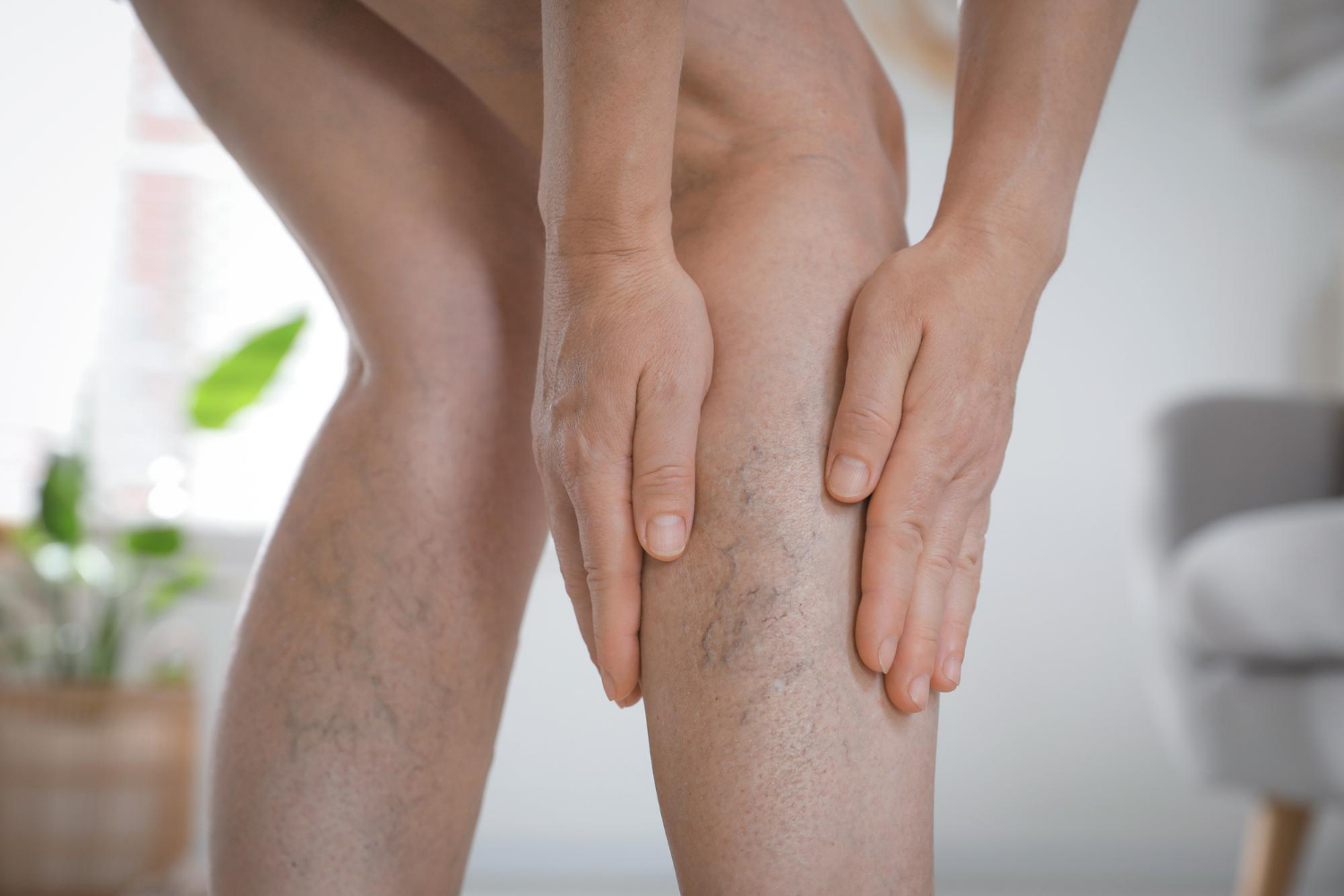
Spider veins are small, thin veins near the surface of the skin. They often look like red, blue, or purple lines. They can form little star shapes, straight lines, or web-like patterns. They usually lie flat on the skin and do not feel thick or ropey.
On their own, spider veins are often more of a cosmetic concern. However, they can also be the first sign that your leg circulation is under strain. Pay closer attention if you notice burning or itching in the area, a feeling of heaviness or tired legs by the end of the day, new or worse swelling around the ankles or lower legs, or symptoms that flare after standing, sitting, or being in the heat.
A simple at-home self-check can help you spot patterns. Use good lighting, look at the front, sides, and back of each leg from groin to ankle, and compare both legs to see if one has more spider veins than the other. As you check, note clusters, spreading areas, or changes in color over time.
Starting a short log on paper or your phone can make these changes easier to understand. Each day, jot down the time of day when you notice discomfort, what you were doing (such as standing, sitting, or walking), and what you felt (like burning, itching, or heaviness). Bringing this kind of record to your first physician’s vein care visit gives the team a clearer picture of how your veins behave in real life.
Varicose Veins Self-Check: Symptoms You Should Not Ignore
Varicose veins are larger, bulging veins that sit deeper than spider veins. They often look twisted, raised, and rope-like under the skin. They can be blue, green, or dark purple, and you can usually both see and feel them when you run your fingers over the area.
These veins often feel worse after long periods of sitting or standing, or after travel when your legs have not moved much. Common signs include:
- Tired, heavy legs, especially later in the day
- Aching, throbbing, or a dull pressure in your calves
- Nighttime leg cramps or restless legs
- Swelling around the ankles or lower legs
- Dry, thin, or itchy skin near the ankles
- Darkening of the skin or rash-like areas over time
While many people think varicose veins are only cosmetic, the symptoms above can point to strain in the deeper circulation. It is especially important to seek physician’s vein care support if you notice:
- Pain that keeps coming back or limits your activity
- Frequent leg fatigue that does not match your level of exercise
- Skin color changes, especially brownish or reddish areas by the ankles
- Small sores or wounds on the lower leg that heal very slowly
Early care can help protect the skin, lower the chance of ulcers, and support better long-term leg health. At a clinic like ours, your team can talk with you about your symptoms, examine your legs, and decide what kind of testing and treatment plan makes sense for you.
DVT Red Flags: When Leg Symptoms Are an Emergency
Deep vein thrombosis, or DVT, is a blood clot that forms in a deep vein, usually in the leg. This is different from spider veins or varicose veins. A DVT can be dangerous because a piece of the clot can break off and travel to the lungs, which can cause a serious emergency called a pulmonary embolism.
You should treat certain symptoms as urgent. Get emergency help right away if you notice:
- Sudden swelling in one leg, especially if the other leg looks normal
- Warmth, redness, or tenderness along a vein in the calf or thigh
- New, strong calf pain, especially when walking or flexing your foot
- Sudden shortness of breath, chest pain, or coughing up blood
These signs are different from mild, end-of-day swelling that goes down after you elevate your legs. Typical non-urgent swelling is usually:
- In both legs, not just one
- Mild, and improves overnight or with rest
- Not linked to sharp, focused calf pain
Never ignore possible DVT symptoms or wait to see if they fade. It is always safer to get checked right away. Once you are safe and cleared from emergency issues, then a physician’s vein care team can help you with longer-term vein health.
What to Track Before Your First Vein Care Appointment
Good notes from home can make your first visit far more helpful. Think of it as giving your care team a head start. A simple symptom diary might include:
- When symptoms start during the day
- What the sensation feels like: aching, burning, itching, throbbing, cramping, or heaviness
- How long the feeling lasts
- What seems to make it better or worse, such as heat, standing, sitting, travel, or exercise
Pay attention to visible changes too, and note any new spider veins (or ones that seem to be spreading), new bulging or twisted veins, color changes near the ankles or shins, dry, flaky, or itchy patches over veins, and any small sores, even if they seem minor.
If you can, take clear photos of your legs in good light from the front, sides, and back. Try to stand the same way each time so changes are easier to spot.
It also helps to write down lifestyle details and risk factors, such as:
- Family history of varicose veins, spider veins, or blood clots
- Past clots, leg injuries, or vein procedures
- Pregnancies or hormone treatments
- Recent surgery or times when you were less active than usual
- Long car or plane trips, especially if your leg symptoms worsened
- Work that keeps you mostly on your feet or mostly seated
When you bring these notes to a physician’s vein care visit at The Burress Medical Center, our team can use them, along with an exam and any needed tests, to build a research-based plan that fits your health goals and daily life.
Take the Next Step Toward Lighter, Safer Legs
Vein issues are very common, especially in warm places where we stay active, wear lighter clothes, and notice our legs more. The good news is that many problems can be managed, and often improved, when we pay attention early instead of waiting for things to get worse.
Use this guide as a friendly checklist. Give your legs a careful look, write down what you feel, and keep track of any changes. When you are ready for a professional opinion, The Burress Medical Center in Lady Lake is here to review your notes, listen to your concerns, and help you find a safer, more comfortable way forward with your vein health.
Take The Next Step Toward Healthier, Pain-Free Legs
If you are ready to address varicose veins or circulation concerns with a medical team that prioritizes your comfort and long-term health, we are here to help. At The Burress Medical Center, our specialists provide individualized treatment plans focused on both relief and prevention. Learn more about our evidence-based approach to physicians’ vein care and what to expect from your first visit. Schedule your appointment today so we can work together on restoring your confidence and comfort.