




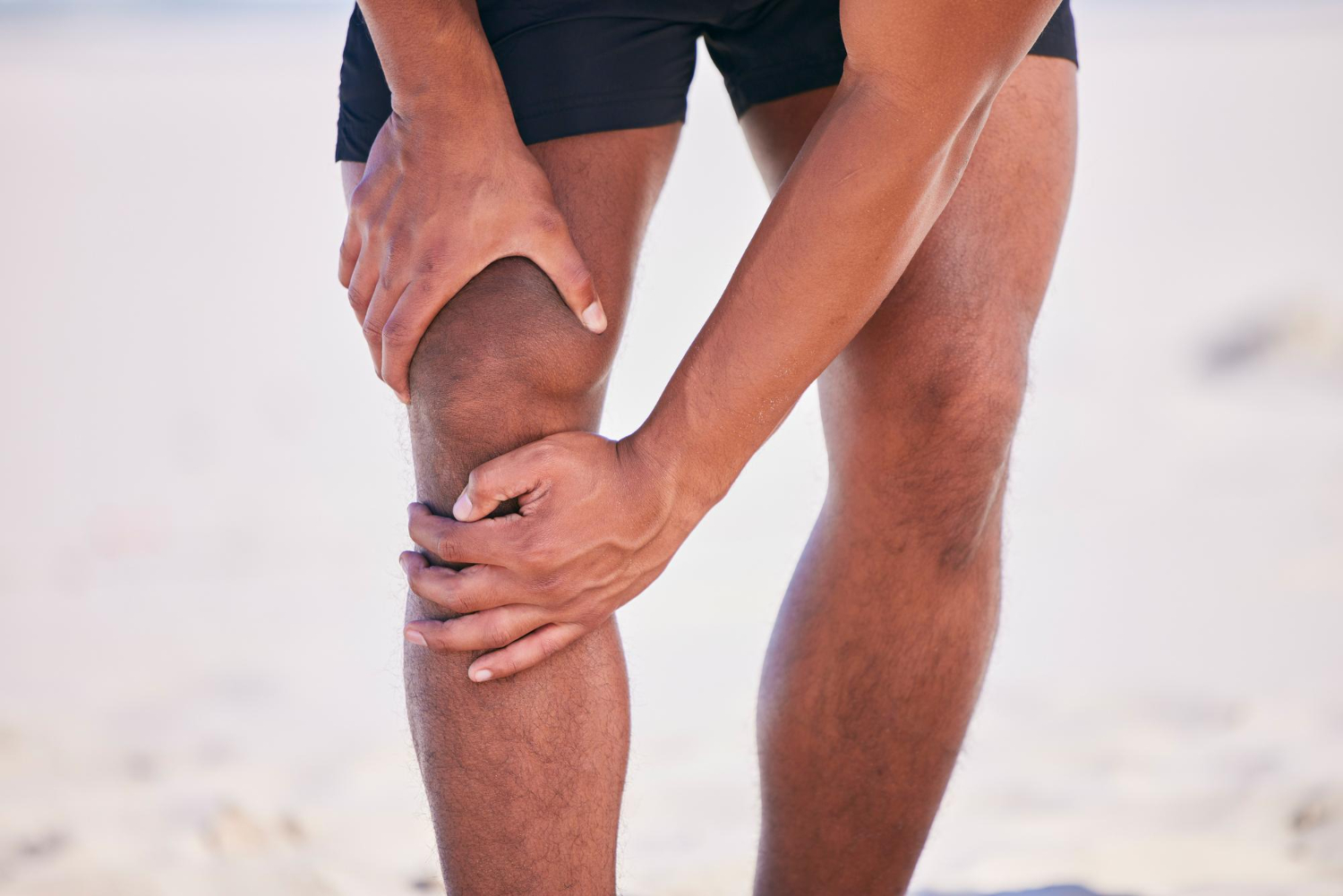
How a Chronic Knee Pain Specialist Assesses Mobility Changes
Knee pain can quietly change the way you move long before it stops you completely. At The Burress Medical Center, we often hear from people in Lady Lake and The Villages who have gradually shortened their walks, skipped a golf outing, avoided certain exercises, or thought twice about keeping up with family.
An assessment helps us look beyond the spot that hurts. We consider how stiffness, weakness, balance, and confidence may be shaping your everyday movement. During August, heat and humidity can make outdoor walks, recreation, and swelling-related discomfort feel harder, so this can be a useful time to understand what has changed before fall routines bring more time outside.
Map the Daily Movements That Have Changed
A chronic knee pain specialist in The Villages often begins with a conversation about your normal day. A pain score is helpful, but it does not tell the whole story. Your description of what feels different in the morning, after sitting, during errands, or later in the day can give our care team a clearer view of your mobility.
Specific movement triggers matter. We may ask when discomfort starts, where you feel it, and whether it improves with rest or changes after activity. Common examples include:
- Standing up after sitting through a meal or show
- Climbing stairs or depending more on a handrail
- Getting in and out of a car
- Walking through a grocery store or around the neighborhood
- Bending for gardening or turning through a golf swing
We also want to know what you have stopped, shortened, or changed. You may still be able to manage an activity, but frequent breaks, slower pacing, or avoiding uneven ground can point to meaningful mobility changes. Before a visit, it can help to notice these patterns so you can clearly explain what your knee is keeping you from doing.
Measure Knee Function Beyond a Pain Score
Pain matters, but knee mobility includes much more. During a focused examination, we may assess your range of motion, leg strength, flexibility, stability, and comfort in common positions. The purpose is to learn how your knee functions in ways that connect to your real life.
Movement observation can be especially helpful. Depending on your comfort and needs, we may watch how you walk, rise from a chair, balance, squat within a comfortable range, or manage steps. These movements can reveal whether you are favoring one side, taking shorter steps, or asking your hips, back, or opposite leg to do extra work.
Your starting point is personal. For one person, improvement may mean walking farther without stopping. For another, it may mean feeling steadier during errands, participating in low-impact exercise, or moving more comfortably at a family gathering. By measuring where you are now, we can better monitor changes over time.
Consider Factors Beyond the Knee Joint
Knee symptoms do not always come from one source alone. Our assessment may include nearby areas and daily habits that can affect how you move. Hip and ankle motion, posture, balance, footwear, activity level, past injuries, and the demands of recreation or work may all provide useful context.
Your health history is part of that larger picture. We may discuss topics such as:
- Prior knee procedures, injuries, or arthritis diagnoses
- Medications and chronic health conditions
- Circulation concerns or changes in leg swelling
- Recent weight changes
- Activities that place repeated stress on the knee
Sharing complete information helps us consider care options that fit your needs and overall health. It is also important to discuss symptoms promptly if they appear or change. Sudden swelling, new instability, inability to bear weight, redness or warmth, fever, or pain after a fall deserve professional attention rather than self-diagnosis.
Build a Practical Plan Around Your Goals
After a chronic knee pain specialist in The Villages reviews the findings, we can explain what may be affecting your mobility and discuss appropriate next steps. Depending on your situation, that may include conservative care recommendations, activity modifications, diagnostic evaluation when needed, or a conversation about nonsurgical knee care options.
The goal is not simply to focus on a number on a pain scale. We encourage functional goals that matter in daily life, such as returning to a favorite neighborhood route, feeling more secure on stairs, enjoying low-impact movement, or taking part in fall and holiday events with fewer interruptions.
Follow-up visits allow us to compare pain patterns, activity tolerance, and mobility over time. If symptoms worsen, new limitations develop, or a plan is not helping you meet your movement goals, that information should be shared so we can reassess the approach.
Start the Mobility Conversation Before Fall Routines
Chronic knee discomfort does not have to reach a breaking point before it deserves attention. Understanding how your movement has changed can clarify possible contributing factors and help you make informed decisions about your care.
If knee discomfort continues to limit your day, our chronic knee pain specialist in The Villages can help identify options suited to your needs. At The Burress Medical Center, we take time to understand how pain affects your routine and discuss appropriate care. Contact us to schedule a visit and begin addressing persistent knee concerns.