

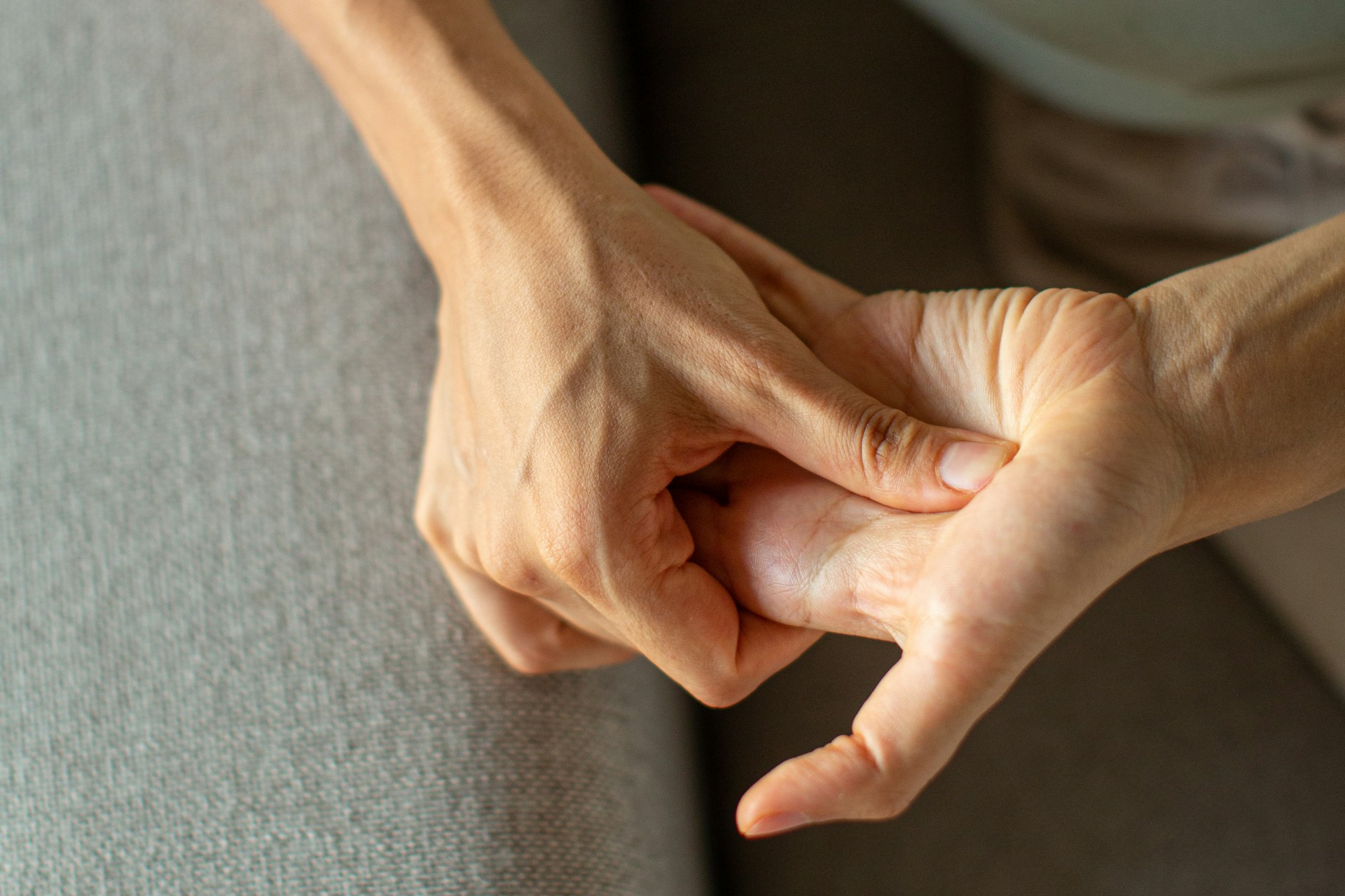
Joint pain has a way of creeping into everyday life. It makes chores harder, errands longer, and even light movement feel like a chore. Sometimes, rest isn’t enough. When a joint doesn’t feel any better after days or weeks of waiting, you might start to wonder what’s next.
That’s where newer options like cell regeneration therapy come up. This approach doesn’t replace your body’s healing process but works alongside it. The idea is to help tissues in places like knees or shoulders recover faster and feel stronger. If you’ve been asking whether a stiff or sore joint is something to just live with, therapy focused on recovery might open up another path.
What Happens When Joints Don’t Heal On Their Own
Some soreness fades quickly. But other types of joint pain hang around well past the usual healing time. When a few days off doesn’t change anything, there’s usually more going on beneath the surface.
• Overused joints may not get the full break they need to repair
• Past injuries sometimes don’t fully heal and can leave behind lasting pain
• Aging can slow repair signals in the body, which leads to discomfort staying longer
We see this a lot in people who feel fine during certain times of the year, but find themselves limping or stiff once the weather shifts or movement increases. When joint pain doesn’t improve with basic care and starts interfering with sleep or walking, it’s often a sign that a different kind of help could be useful.
Everyday activities like climbing stairs, working in the yard, or even getting out of bed in the morning can gradually become more of a hassle. Pain that lingers can affect your motivation, and you may notice you’re reluctant to do things you used to enjoy.
How Cell Regeneration Therapy Aims to Support Recovery
The term cell regeneration therapy might sound complicated, but the concept is simple. It’s about taking what your body already has and using it in a helpful way.
Here’s what that might look like:
• Using your own cells or tissue to help trigger healing in a sore joint
• Targeting problem spots like knees, hips, or shoulders that haven’t gotten better on their own
• Encouraging new growth in damaged areas so the joint works more smoothly again
This isn’t a quick fix and won’t work the same way for everyone. Still, for joints that aren’t improving with everyday measures, regeneration treatment offers a way to support the body’s natural repair without relying entirely on medication or rest. When joints keep aching despite your best efforts, this kind of support becomes part of the conversation.
As healing progresses, many people notice increasing flexibility and less discomfort as their body responds to the therapy. The timeline for improvement is often different for each person, as factors like age, activity level, and the cause of pain can influence recovery.
Types of Joint Problems That May Be Considered
Some joint pain might just need time. Other pain keeps showing up again and again. That’s usually the kind we look at more closely.
• Ongoing pain in places like the knees or shoulders that doesn’t clear up
• Old injuries that still act up when you move a certain way
• Seasonal tightness, especially in cooler months when movement feels more limited
Joint pain doesn’t always look the same. For some people, it’s a sharp pinch when they kneel or bend. For others, it’s stiffness that shows up first thing in the morning or after sitting too long. If that discomfort sticks with you week after week, it’s time to ask if your joints are truly recovering or just getting by.
Other symptoms can include swelling, grinding sensations in the joint, or a recurring feeling of weakness. These symptoms can signal underlying issues that may respond to supportive therapies when routine care hasn’t provided relief.
Why Winter Recovery May Look Different in Florida
Winters here in Florida aren’t freezing, but they do come with cooler breezes and less daylight. That can still change the way joints feel, especially in older adults or those already dealing with joint trouble.
• Cooler air can cause joints and muscles to tighten, making movement harder
• Fewer outdoor activities in January can reduce normal flexibility
• Moisture and dampness, even without cold, may make joints feel slower
This time of year can be tricky in Lady Lake and The Villages. People who usually stay active might move less, which only adds to stiffness. Getting ahead of this slowdown in winter can make a difference. If you want to feel better when spring arrives, it often starts with what you do now. That’s where therapies for recovery come in, helping support the body before things get more locked up.
People may even notice their energy levels drop during the winter months, which can lead to less movement and more sitting. Over time, inactivity itself can affect how joints feel and recover, contributing to a cycle of worsening discomfort that is sometimes overlooked during the colder season.
When to Talk to a Medical Professional About Therapy
We all know when pain is just a daily annoyance and when it starts to really change how we live. That line is usually the signal to start talking to someone.
• If joint soreness sticks around for more than a few weeks, especially with no sign of improvement
• If simple things like bedtime, grocery trips, or bending down become harder
• If you’ve tried rest, heat, or medications but still feel stuck
It’s not about jumping into a big decision. It’s about checking in. When you bring this up with a medical provider, you’re working together to figure out what’s going on beneath the surface. Sometimes, the solution turns out to be simple. Other times, it requires a bit more support. Either way, decisions get easier when you understand all the options.
Talking to a provider allows you to share your specific symptoms, worries, and needs openly. They can take a thorough look at what you’ve tried, what has helped, and what has not. This collaborative approach lets you make well-informed choices about your care, with the focus always on improving your comfort and function.
Advanced Joint Recovery at The Burress Medical Center
At The Burress Medical Center in Lady Lake, our patients benefit from a unique combination of traditional family medicine and advanced regenerative therapies. Our center features a dedicated clinic for cellular and regenerative medicine, where therapies are matched to your specific needs and health history. Precision medicine approaches allow your provider to personalize your care, considering factors like your age, the source of your joint pain, and past treatments.
Our focus is always on supporting long-term joint health and helping you return to your favorite activities with confidence. By approaching chronic joint pain from multiple angles, including proactive prevention and innovative cellular therapies, we aim to deliver sustainable relief for Lady Lake and surrounding areas.
A variety of options can be explored during your visit, from targeted exercises that preserve joint mobility to advanced treatments that use your own cells to promote healing. Ongoing evaluation and communication help to keep your recovery on track, so you feel supported every step of the way.
Find Relief and Renewed Motion
Joint pain shouldn’t keep you from enjoying life in Lady Lake or The Villages. Some aches need more than rest or medication, especially if they keep coming back. That’s when considering cell regeneration therapy could be the next step. At The Burress Medical Center, we focus on understanding your unique needs and creating a care plan that supports your health goals. Reach out today to schedule your visit and learn how we can help.