

Chronic venous insufficiency treatment helps many people find relief from heavy, aching legs. When the veins in your legs are not working as they should, everyday things like walking, standing in line, or enjoying time outside can feel harder. If your legs bother you more as the weather heats up and you spend more time on your feet, it may be time to pay closer attention.
In this article, we will explain what chronic venous insufficiency is, why it often feels worse in the summer, and what treatment options are available. We will walk through simple at-home steps, modern office procedures, and how care can be tailored to your needs so you can stay active and comfortable.
Take Control of Leg Pain Before It Controls Summer
Chronic venous insufficiency, often called CVI, is a common reason for leg pain, swelling, and bulging veins. It can also cause tired, restless legs that feel heavy at the end of the day. In a warm, humid place like central Florida, these symptoms can feel even more intense when you want to be outside enjoying longer days and seasonal activities.
When CVI is treated early and in a focused way, many people are able to move with less pain, stand longer, and feel better showing their legs in shorts or dresses. Summer should be about enjoying the pool, trips, family time, and community events, not about planning your day around leg discomfort.
For people in and around Lady Lake, care is available close to home. Our team offers minimally invasive vein care options designed to support comfort, mobility, and confidence in warm-weather clothing all year long.
What Chronic Venous Insufficiency Really Means for You
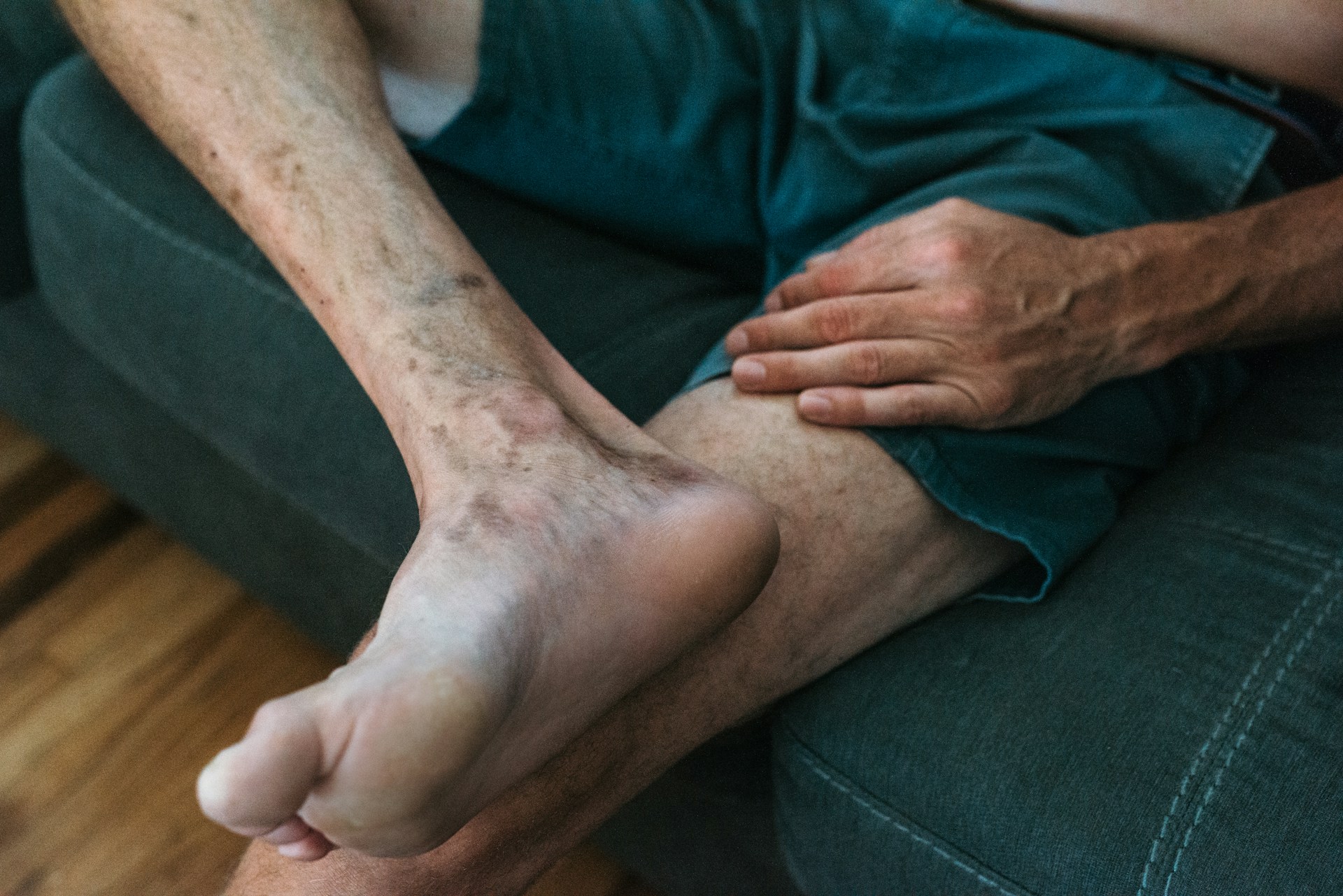
CVI happens when the valves inside the leg veins get weak or damaged. These tiny valves are supposed to help push blood back up toward the heart. When they do not close properly, blood can pool in the lower legs, which can lead to:
- Heaviness or aching in the legs
- Swelling around the ankles or calves
- Visible varicose veins or spider veins
- Skin changes, such as darkening or thickening
- Itching, burning, or restless feelings in the legs
Some people have a higher chance of developing CVI. Risk often increases if you:
- Are age 40 or older
- Sit or stand for long periods for work or travel
- Have a history of blood clots or leg injuries
- Have had pregnancies
- Carry extra weight
- Have family members with varicose veins or vein disease
Summer can make symptoms flare. Heat tends to make veins widen, which can cause more pooling of blood. Many people are also on their feet more for trips, events, and outings. Dehydration can add to the feeling of heaviness or cramping. All of this makes warm months a smart time to check in on your leg health and talk about chronic venous insufficiency treatment if needed.
Lifestyle and at-Home Strategies to Ease CVI Symptoms
For mild to moderate symptoms, simple daily changes can bring real relief. These steps are not a cure, but they can support better blood flow and comfort.
Helpful lifestyle habits include:
- Elevating your legs above heart level several times a day
- Walking regularly to keep the calf muscles active
- Doing gentle calf raises and ankle circles
- Avoiding long stretches of sitting or standing in one position
- Maintaining a healthy weight to reduce pressure on leg veins
Compression stockings can also play an important role. They gently squeeze the legs to help move blood back up toward the heart. In warm weather, wearing them can feel tricky, but many people find lighter fabrics or open-toe styles more comfortable. Putting them on first thing in the morning, before swelling starts, often works best.
At-home measures may not be enough if:
- Swelling is present most days
- Pain or heaviness limits walking or standing
- Skin around the ankles is getting darker or thicker
- You notice sores or ulcers that are slow to heal
When these signs show up, it is time to see a medical professional who evaluates and treats vein conditions.
Modern Minimally Invasive Vein Procedures Explained
Vein care has changed a lot from the days when vein stripping surgery was common. Now, many chronic venous insufficiency treatment options are done in the office with tiny or no incisions and local numbing medicine.
Common minimally invasive procedures include:
- Endovenous laser ablation, which places a thin fiber inside the vein and uses laser energy to gently close it
- Radiofrequency ablation, which uses controlled heat from radio waves to seal the problem vein
- Ultrasound-guided foam sclerotherapy, which involves injecting a special foam into the vein to irritate the lining so the vein closes over time
These treatments target the faulty veins that allow blood to pool, so blood can move into healthier veins instead. Benefits often include:
- No general anesthesia
- Little to no scarring
- Short visits, usually in an outpatient setting
- Quick return to walking, work, and most normal activities
People often ask about pain, safety, and insurance. Most report only mild discomfort or a feeling of pressure during the procedure, followed by some soreness or tightness that fades. When done by experienced vein specialists, these procedures are considered safe and effective for many patients. Insurance may cover treatment when there are medical symptoms, not just cosmetic concerns, but each person’s coverage is different and should be reviewed.
Advanced Options for Complex or Long-Standing Vein Disease
Some people live with CVI for many years and may have more advanced signs such as thickened skin, ongoing swelling, or ulcers. In these cases, a careful and detailed evaluation is important before any plan is made.
At a vein-focused visit, you can expect:
- Diagnostic ultrasound to map blood flow in the leg veins
- A close look at the skin and soft tissue of the lower legs
- Review of other health issues, prior clots, or earlier vein treatments
More advanced or staged care might include treating perforator veins that run between deep and surface veins, or addressing chronic clot issues in the deeper system. Sometimes, leg pain and swelling are tied to joint problems, arthritis, or limited mobility. Working with family medicine and regenerative medicine teams can help support the whole leg, not just the veins.
For advanced CVI, results can take time. Full reversal might not always be possible, but with the right treatment steps, many people see less pain, fewer flare-ups, and lower risk of ulcers. Even small improvements can make walking, sleeping, and daily life feel better.
How Personalized Care Helps You Step Into the Season with Lighter Legs
At The Burress Medical Center, we look at the full picture, not just one vein. A typical vein care visit includes conversation about your symptoms and goals, ultrasound mapping of your veins, and a talk about lifestyle factors such as work demands, activity level, and other health conditions.
From there, we work with you to build a plan that may blend:
- At-home support like compression and movement strategies
- Office-based minimally invasive procedures when needed
- Ongoing follow-up to track changes and adjust care
Because we also provide family medicine and regenerative medicine, we can connect vein health with circulation, heart health, joint function, and long-term mobility. For people in Lady Lake and nearby communities, care is available across multiple clinics with options that can be planned around work, travel, and summer activities.
When your legs feel lighter and more supported, it is easier to enjoy walks, outings, and everyday tasks without planning around pain or swelling. Chronic venous insufficiency treatment is not just about how your legs look, it is about how you move, how you sleep, and how you live your life.
Take The First Step Toward Healthier Legs Today
If you are noticing symptoms like leg swelling, aching, or visible varicose veins, we are here to help you find relief. At The Burress Medical Center, our specialists provide personalized care options, including advanced chronic venous insufficiency treatment tailored to your needs. Schedule an appointment with our team so we can evaluate your veins, explain your options clearly, and create a plan focused on restoring your comfort and mobility.