




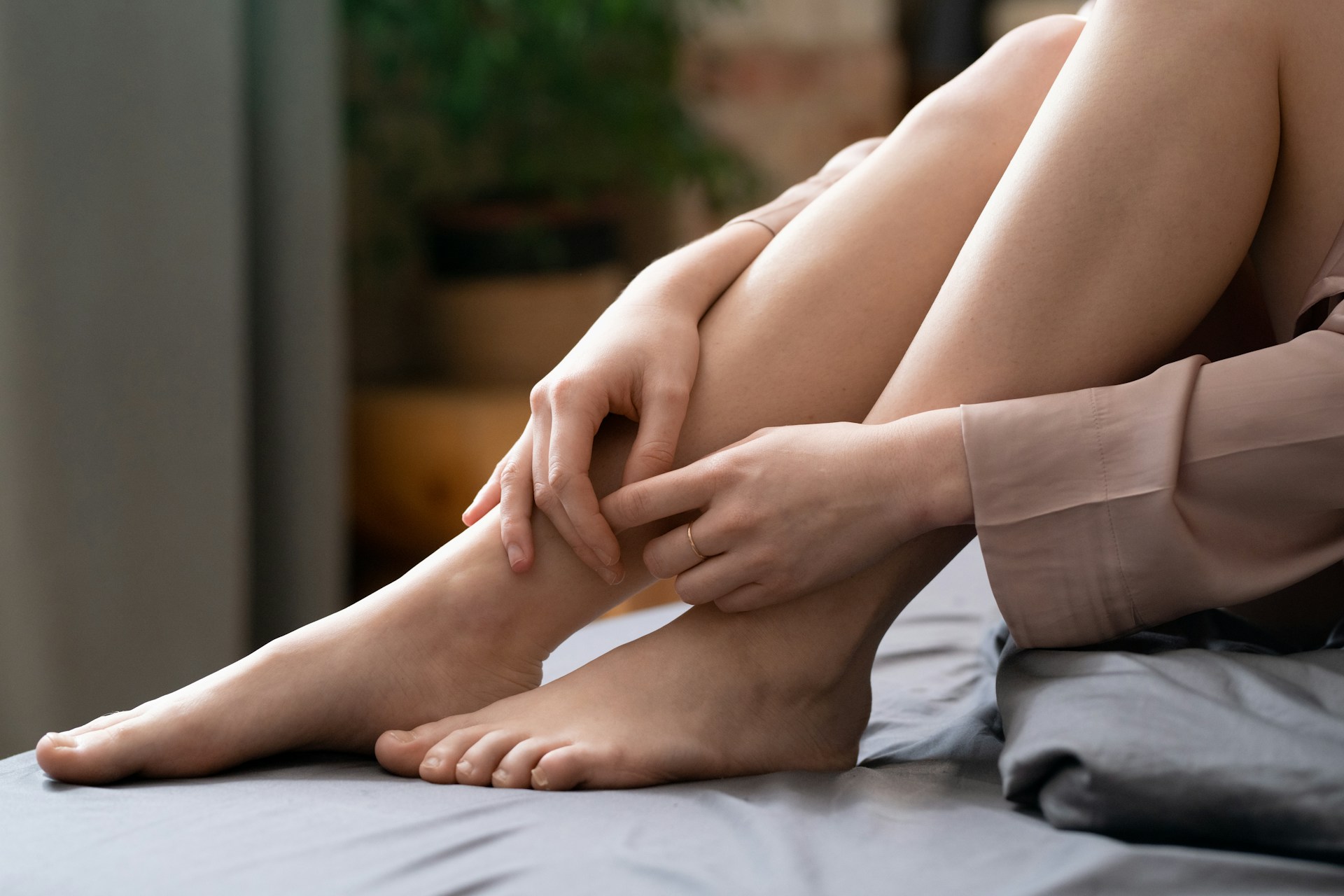
Spring Swollen Legs: Normal Response or Warning Sign?
Spring can be a strange time for your legs. The days feel longer, you are outside more, and suddenly your ankles look puffy by late afternoon. In Central Florida, swelling can creep up quickly, especially when you mix heat, humidity, and allergies.
The tricky part is telling the difference between normal spring swelling and a warning sign of vein disease. Some swelling is a short-term reaction to weather, pollen, or activity. Other times, it is your veins asking for real medical attention. In this article, we will walk through how to spot the difference and what to do first.
At The Burress Medical Center in Lady Lake, our team focuses on research-based care for the whole person. We help people sort out why their legs are swelling, what is safe to try at home, and when it is time for physicians’ vein care or other medical support.
Common Spring Triggers That Can Puff Up Your Legs
When the weather feels warmer, it is normal to be outside more. That alone can change how your legs feel by the end of the day.
Here are common spring triggers that can make your legs and ankles puff up for a short time:
- Heat and humidity
- Allergies and inflammation
- Certain medications
- Long periods of standing or sitting
- Not drinking enough water
Heat encourages your blood vessels to open up, which can let more fluid leak into the tissues of your lower legs. After a long walk, a day of gardening, or an outdoor event, you might notice temporary swelling that eases once you rest.
Seasonal allergies can also play a role. When your body reacts to pollen, it releases chemicals that can lead to inflammation and general puffiness. Some people notice swelling around the eyes, hands, and ankles. A few common medications, like some used for blood pressure or pain, can add to that effect.
Spring often brings:
- Yard work marathons
- Outdoor festivals or markets
- Long car rides for visits or day trips
- Afternoons in the sun with less water than your body needs
These habits can lead to short-term swelling that usually improves with simple changes, such as resting with your legs up and drinking more water. Short-term swelling that comes and goes quickly is usually less worrisome, but it still deserves attention if it keeps happening.
Red Flags That Point to Underlying Vein Disease
Not all swelling is the same. When veins are involved, your legs can send a different kind of message.
Vein-related signs may include:
- A heavy, tired feeling in your legs
- Aching, throbbing, or a burning feeling
- Bulging or twisted veins you can see under the skin
- Darkening or discoloration around the ankles
- Itching or dry, irritated skin near the lower legs
Swelling from allergies or heat is often more general and may change day to day. Swelling from chronic vein problems usually follows a clearer pattern. It often gets worse as the day goes on, especially if you sit or stand a lot. It may improve when you lie down and prop your feet up on pillows. One leg may be more swollen than the other.
There are also serious warning signs that need quick care, not home remedies. These can include:
- Sudden swelling in one leg
- Significant pain, redness, or warmth in the calf or thigh
- Shortness of breath or chest discomfort
- A leg that feels tight or different from usual
These could be signs of a blood clot. That is an emergency and needs immediate medical attention, not watchful waiting.
Simple at-Home Checks Before You Call the Doctor
You do not need to diagnose yourself, but a few simple questions can help you understand what might be going on before you talk with a doctor.
Ask yourself:
- How long has the swelling been happening?
- Does it go away overnight or after several hours with my legs raised?
- Is one leg more swollen than the other?
- Do I see bulging veins, color changes, or dry, itchy skin near my ankles?
- Have I had blood clots, vein problems, or pregnancy-related swelling before?
Safe, gentle steps many people try at home include:
- Resting with legs raised above heart level for short periods
- Taking breaks from standing or sitting in one position
- Staying well hydrated, especially when spending time outdoors
- Using a cool cloth or cool shower on the lower legs after a hot day
- Writing down when swelling appears, what you were doing, and how it feels
If simple steps do not help, or if swelling is getting worse, it is time to speak with a medical provider. Persistent swelling, pain, or skin changes around your ankles deserves a closer look from family medicine or a physicians’ vein care specialist.
How Physicians’ Vein Care Pinpoints the Real Cause
When you see a vein-focused provider, the visit is about more than just looking at your legs. It is about putting together the whole story of your health.
A vein specialist will typically:
- Review your medical history and medications
- Ask about allergies, recent activity, travel, and lifestyle
- Examine your legs while you sit, stand, and sometimes after walking
- Look for changes in skin color, temperature, and visible veins
Non-invasive testing, like a venous ultrasound, can check how blood flows through your leg veins and whether the valves are working well. This type of test feels similar to the ultrasounds used in other parts of the body and does not involve needles. It also helps rule out clots when needed.
Once the cause is clearer, a tailored plan can be created. Physicians’ vein care can include:
- Guidance on leg positioning, movement, and daily habits
- Advice on compression wear that fits your needs and comfort
- Office-based procedures for certain vein problems, when appropriate
- Coordination with family medicine if heart, kidney, allergy, or joint issues may also be part of the swelling
The goal is to address all the reasons your legs are swelling, not just one piece of the puzzle.
Spring Treatment Options From Lifestyle Tweaks to Vein Care
Spring is a great time to reset your habits and protect your legs before the hottest months. Small changes can make a big difference in how your legs feel each day.
Helpful strategies can include:
- Wearing breathable, supportive socks or compression during long outings
- Planning short “leg breaks” to sit, stretch, and move your ankles
- Adjusting walking or exercise times to cooler parts of the day
- Keeping water nearby during outdoor work and activities
When vein disease is part of the problem, modern vein treatments can often be done in the office with small incisions and little downtime. These may include treatments that seal or close problem veins or procedures that gently treat visible surface veins. Many people are able to return to normal light activities shortly after, depending on the exact treatment and their overall health.
At The Burress Medical Center, we look at more than just veins. Our family medicine, regenerative medicine, and specialized vein care work together. That way, we can address related concerns like joint pain, mobility limits, or chronic conditions that can make leg swelling worse in the spring and beyond.
Take Charge of Leg Swelling Before Summer Hits
Spring leg swelling does not have to be something you simply put up with. Paying attention now can help you stay more active and comfortable when outdoor plans pick up.
If your legs are swelling, it can help to track patterns for a week or two. Note what days are worse, what you were doing, and whether there is any pain, heaviness, or visible changes in the veins or skin. Bring those details to your next visit with a medical provider.
For people in and around Lady Lake, our team at The Burress Medical Center is here to help sort out what is driving your swelling. With coordinated family medicine and physicians’ vein care, we work with you to find clear answers and a plan that fits the way you live.
Take The First Step Toward Healthier, Pain-Free Legs
If vein symptoms are limiting your comfort or confidence, we are ready to help you understand your options and move toward lasting relief. At The Burress Medical Center, our specialists provide individualized evaluations and advanced treatment through our physicians’ vein care services. Schedule an appointment today so we can work together on a plan that fits your health needs and lifestyle.