


Walking might sound like a basic tip, but physicians at vein clinics recommend it for a reason. It’s not just about getting your steps in. When it comes to veins, walking helps things move. Blood flow improves, swelling may go down, and that heavy feeling in your legs often gets lighter. It’s one of those small habits that can quietly make a big difference over time.
Here in places like Lady Lake and The Villages, Florida, spring brings long, sunny days and warmer temperatures. Now’s a great time to stretch your legs outdoors and feel the benefits of simple movement. Let’s talk about how walking fits into caring for your veins and why your doctor may have brought it up during a visit.
Why Walking Affects How Your Veins Feel
When we walk, our leg muscles squeeze and relax in a natural rhythm. That gentle motion works like a pump, helping push blood up from the legs back to the heart. Since veins have to work against gravity, they rely on this muscle motion more than you might think.
Sitting or standing too long without moving can cause extra pressure to build in your lower legs. That pressure can lead to swelling, discomfort, or bulging veins. Walking a little more each day breaks up that pressure and keeps things flowing more freely.
- Gentle walks help improve circulation without stressing your body
- Consistent movement supports healthy vein function
- Even short walks can help relieve tightness, puffiness, or that buildup feeling at the end of the day
When your veins aren’t working as well as they should, we may notice signs early on. Walking slowly and regularly is often one of the easiest ways to help support those veins before more serious care is needed.
At The Burress Medical Center, our vein care clinic emphasizes non-invasive strategies first, recommending personalized walking routines for those noticing early symptoms such as swelling or heaviness. This is part of our overall approach to conservative vein care.
Signs You Might Benefit From Walking More
Some signs of poor vein health creep up quietly. You might notice your legs feel tired when you usually have energy. Or your shoes feel tighter around the ankles as the day goes on. Springtime can make these symptoms more noticeable, especially with the extra heat and activity.
Here are a few clues your body may be asking for more movement:
- Legs feel heavy or achy by late afternoon
- Feet or ankles swell, especially when sitting for long stretches
- Veins start to rise, twist, or look more visible near the surface
- You feel a pulling or throbbing in your calves that gets better with movement
If any of these sound familiar, adding extra steps into your daily routine could ease things just enough to make evenings more comfortable.
Many people do not recognize these symptoms at first. It is easy to dismiss a little heaviness or swelling as the result of a busy day. However, these may be the first signs that your veins could use extra support. By paying attention to how your legs and feet feel at the end of the day, you can spot patterns that point to circulation issues. If your symptoms tend to show up after long periods of sitting or become more obvious as the week goes on, your body may be responding well to movement and asking for more of it. That is why doctors recommend taking these signs seriously and making walking a daily habit, not just something you do when you have extra time.
What a Vein Doctor Considers Before Recommending Walking
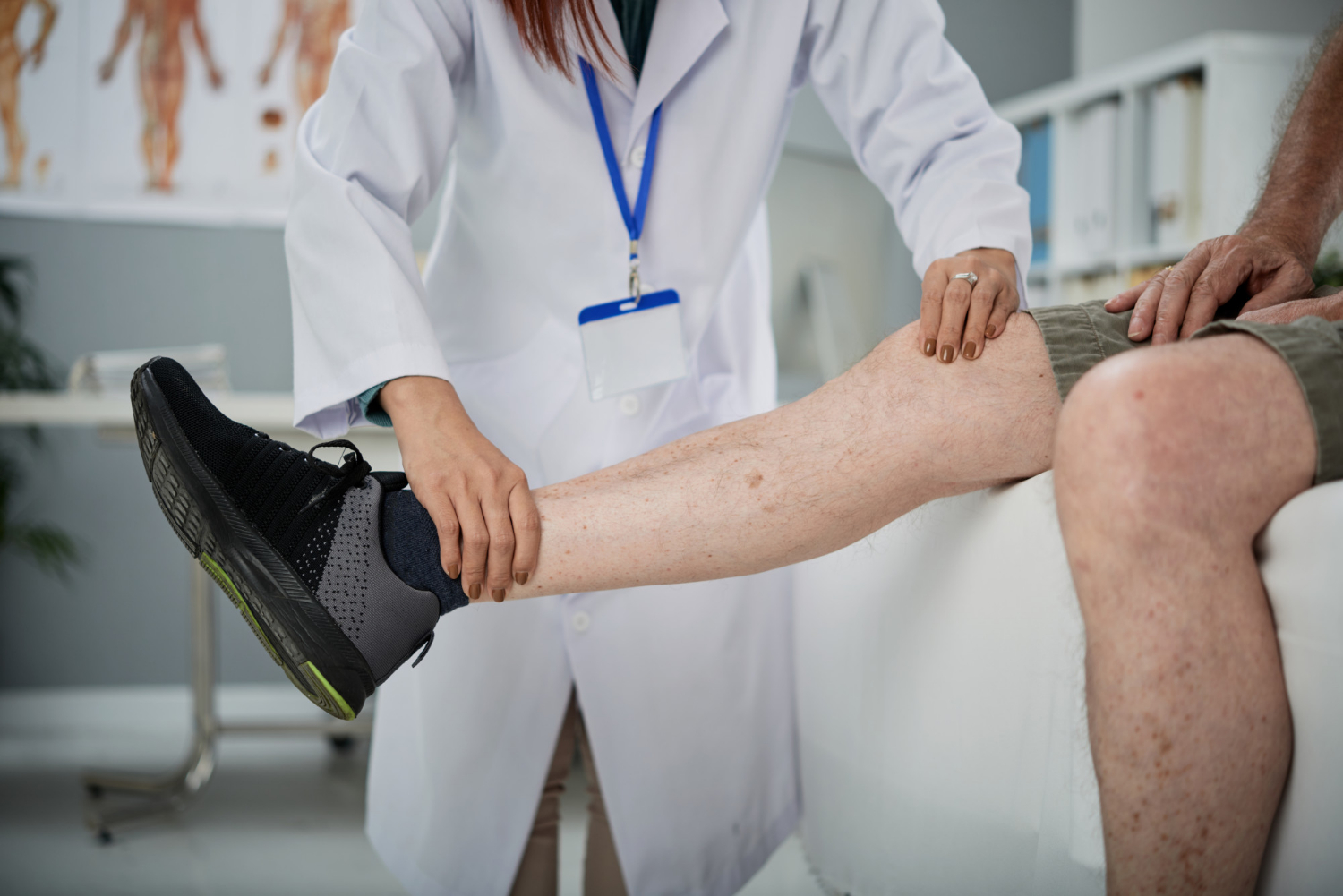
If you’ve ever wondered how vein specialists decide where to start, walking is often one of the first things we bring up. But we don’t suggest it without thinking it through. Physicians at vein clinics look at your lifestyle, comfort level, and day-to-day routines. We consider how much sitting or standing you do, what other health concerns you have, and how your legs respond when you’re active.
We also use tools like vein scans or ultrasounds to study how blood is moving in your legs. These images tell us whether valves in your veins are working properly, if pressure is building up, or if there’s a blockage affecting flow. If the results show early signs of trouble, walking may be the right next step.
- Doctors check blood flow before offering advice
- Your current habits shape the type and amount of movement we suggest
- Walking is often used as a first-phase support step before more advanced care
As part of our Lady Lake clinic’s diagnostic process, we rely on ultrasound technology and detailed patient history to tailor each walking plan to your needs. This helps guide a care approach that is safe and practical for daily life.
Sometimes, a doctor will review your medical chart or ask about any changes in your daily schedule. If there have been recent shifts in your activity level, weight, or other medical conditions, these details can help guide the best way to get started with walking. Listening to your own body and sharing updates with your physician ensures the advice you receive matches what is really happening in your legs each day.
How to Fit More Walking into Your Spring Routine
In warmer spots like Lady Lake, Florida, spring offers early sunrises and cooler mornings before the day heats up. That makes it a good time to try small walking habits without feeling overworked or overheated.
- Walk in short bursts rather than one long outing. A few 10-minute walks spread across the day can feel easier and still be helpful.
- Stick with shaded routes or paths with benches. That gives you enough support without tiring yourself out.
- Use errands as stepping stones. Walking from the parking lot, heading into the store on foot instead of using a cart, or taking the stairs when available all count.
We don’t need to change your entire schedule. It’s about slipping movement into places that already exist in your day, so your veins get that steady support without a full routine shift.
Consider taking short strolls with friends or family in the neighborhood before breakfast, or use a quick walk to take in the fresh air after dinner. If the heat is strong, mall walking or using an indoor track can provide the movement without the sun. Keeping a pair of comfortable walking shoes near the door or in your car can also help you add steps whenever the chance comes up. Being flexible about when and where you walk makes it more likely you will stay consistent, even when days get busy.
Feeling Better, One Step at a Time
Healthy blood flow starts with movement. When we walk with purpose, our legs work better, circulation improves, and discomfort eases. Bit by bit, our bodies respond to that motion in ways that make sitting, standing, and sleeping more comfortable over time.
When walking is recommended by someone who truly understands how your veins are functioning, it becomes more than just a tip, it becomes part of your care. Starting with a few extra steps this spring can help you stay active, manage swelling, and keep things moving the way they should. The benefits tend to build with each day, and often, the hardest part is just getting started.
Adding just a bit of movement every day is a tool you can use to support your vein health. It may help you feel stronger and more energetic during your favorite activities, and you may notice that tired, heavy feeling drops away a little faster. The more consistently you make walking part of your routine, the better your legs may feel, and the easier it becomes to make other healthy choices, too.
If slow, steady walking can help your veins feel better and keep your days more enjoyable, it’s worth taking those first few steps. The season is right, the weather is comfortable, and your body may be more ready than you think.
At The Burress Medical Center, we’re dedicated to helping your legs feel their best every day. If you’re experiencing swelling, aching, or visible veins, you don’t have to figure it out alone. Our physicians at vein clinics take time to understand your needs and offer guidance that fits your lifestyle. Whether you’re staying active in Lady Lake or enjoying the outdoors in The Villages, we’re here to support your vein health. Call us today to schedule your visit.