




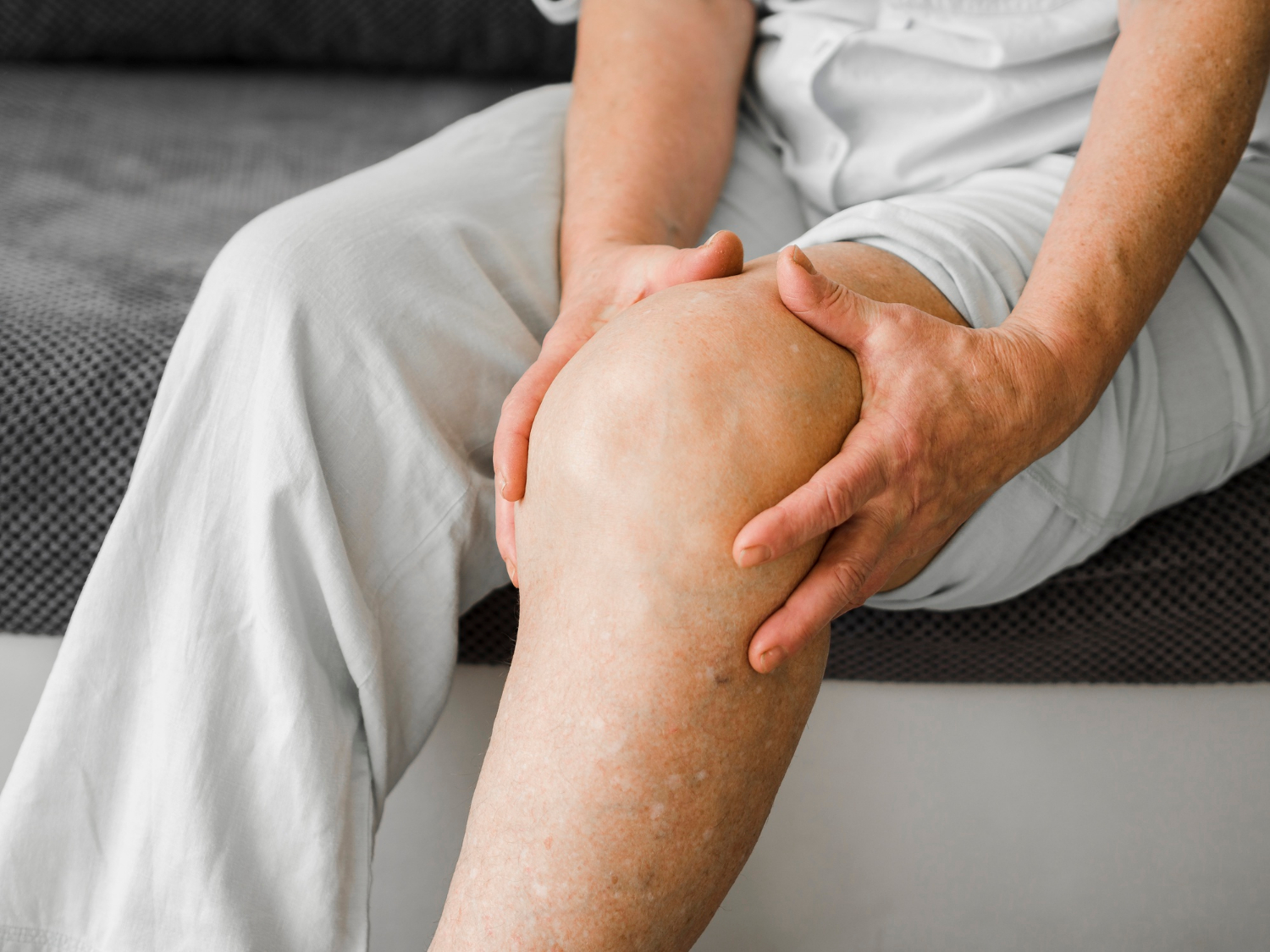
Heavy, Achy Legs? Why the Cause Matters More Than You Think
Heavy, tired legs can make even a quick walk to the mailbox feel like a chore. Add nighttime calf or foot cramps, ankle swelling, or burning and tingling, and simple daily tasks start to feel a lot harder than they should. As spring days get longer and the Florida heat and humidity pick up, these leg symptoms often feel even more noticeable.
Many people are told this is just part of getting older, or that it must be neuropathy or arthritis. Those can definitely be real problems, but a quiet vein issue is often missed. When that happens, the real cause keeps getting worse in the background.
In this article, we will walk through the key differences between silent vein problems, neuropathy, and arthritis. We will also share simple clues you can watch for at home and smart questions to ask at a primary care visit or during a physician vein care visit so you can move toward a clearer answer.
Silent Vein Problems 101: What Your Legs Are Trying to Tell You
Vein problems are about blood trying to get back up to your heart from your legs. In healthy veins, small valves keep blood moving in the right direction. With chronic venous insufficiency, those valves do not work as well. Blood can pool in the lower legs, which leads to pressure, swelling, and discomfort.
When most people think of vein disease, they picture big ropey veins on the surface. Those are varicose veins, and they are one possible sign, but you can have real vein trouble without any obvious bulging veins.
Common signs and symptoms of venous issues include:
- Heavy, achy legs, especially later in the day
- Swelling around the ankles or lower legs that is worse in the evening or after standing
- Itching, dry skin, or discoloration near the ankles
- Restless legs or a strong need to keep moving them at night
- Nighttime leg or foot cramps that wake you up
These problems are often called “silent” because they sneak up slowly. The discomfort can be mild at first and easy to brush off. Many people notice that:
- Symptoms flare up after long periods of sitting or standing
- Warm weather and humidity make legs feel more swollen and tired
- There are no large surface veins, so they assume it cannot be a vein problem
A focused physician vein care exam, including a close look at the skin and a detailed leg history, can uncover issues that are not obvious from the outside.
Neuropathy and Arthritis: How Nerve and Joint Pain Feel Different
Neuropathy is nerve damage. It can be related to diabetes, vitamin deficiencies, alcohol use, or certain medications. Sometimes no clear cause is found. The key point is that neuropathy is about mixed-up nerve signals, not blood flow.
Typical neuropathy symptoms often include:
- Burning, tingling, or pins-and-needles in the feet or toes
- Numbness or decreased feeling, especially in the toes and soles
- A “sock-like” pattern, where symptoms start in the feet and slowly move up the legs
- Trouble feeling temperature or small injuries
Arthritis is different. It affects joints, such as knees, hips, ankles, and small joints in the feet. The wear and tear or inflammation is right inside those joints, so the pain is more focused.
Common arthritis signs include:
- Pain centered in a joint rather than the whole leg
- Stiffness after resting or sitting, especially with the first steps
- Reduced range of motion or a feeling that the joint is “stuck”
- Grinding, cracking, or popping with movement
- Pain that flares with bending, twisting, or weight-bearing, not simply with standing still
Comparing patterns can help:
- Neuropathy is mostly about odd sensations, such as burning or numbness
- Arthritis is mostly about joint-centered pain and stiffness
- Vein disease usually feels like fullness, heaviness, and swelling that changes with time of day, standing, and sitting
All three can exist together, which is one reason a careful exam by a medical professional is so important.
Spot the Difference: Simple At-Home Clues Before Your Visit
You do not need to figure this out on your own, but noticing patterns can make your visit with a provider more helpful. A few simple checks at home can give you better language to describe what you feel.
Try paying attention to:
- Timing: Are symptoms worst at the end of the day, after being on your feet, or after sitting in one position for a long time? That leans more toward vein issues. If the first steps in the morning are the hardest, or joints feel locked after rest, arthritis may be a bigger part.
- Location: Is the discomfort deep in the whole calf or lower leg, or sharply focused in a knee, ankle, or toe joint? Vein symptoms are often more widespread and “heavy,” while arthritis stays near joints.
- Sensation: Is it burning, tingling, and numbness, or does it feel more like tightness and pressure? Burning and pins-and-needles suggest neuropathy.
You can also:
- Look at your ankles when you take off socks or shoes. Deep sock marks or skin impressions can point toward swelling from vein issues.
- Prop your legs up on pillows so your feet are above heart level for 15 to 20 minutes. If heaviness or ankle swelling improves after elevation, that may hint at a venous cause.
For one to two weeks, consider keeping a short symptom diary. Each day, jot down:
- When symptoms were worst
- What you were doing (standing, sitting, walking)
- Weather and heat exposure
- Where the pain or discomfort was located
- What made it better or worse
The goal is not to self-diagnose. The goal is to walk into your family medicine or physician vein care visit with clear notes so your provider can put the puzzle pieces together.
Key Questions to Ask at Your Primary Care or Vein Care Visit
Being prepared with questions helps you take an active role in your health. At a family medicine or primary care appointment, you might ask:
- Could my symptoms be related to vein disease, not just neuropathy or arthritis?
- Do my exam findings suggest chronic venous insufficiency?
- Should I have a venous ultrasound to check how blood is flowing in my legs?
- What lab tests are appropriate to look for causes of neuropathy or arthritis?
- How can we sort out if more than one problem is happening at the same time?
If you see a specialist for physician vein care, consider asking:
- Could my veins be causing my leg cramps and ankle swelling even if they do not look varicose?
- What nonsurgical or minimally invasive vein treatments might be right for my activity level and overall health?
- How might treatment affect my daily comfort, walking, and long-term circulation, especially in our Florida heat and humidity?
- What should I expect before, during, and after any procedure, including activity limits?
It can also help to ask:
- How do vein, nerve, and joint problems interact in my case?
- Can my treatment plan address all three together, not just one at a time?
- How is insurance involved, and what information do you need from me?
Good questions lead to clearer answers, which means better choices for your long-term mobility.
Take the Next Step Toward Lighter, Healthier Legs
Heavy legs, nighttime cramps, and ankle swelling are not just “getting older” problems. They are signals from your body that something needs attention, whether that is your veins, nerves, joints, or a mix of all three. Getting a clear diagnosis can protect your comfort now and help you stay active in the years ahead.
At The Burress Medical Center in Lady Lake, we see how much vein health can affect daily life, especially as spring activities pick up and we spend more time on our feet. Bringing a simple symptom checklist or diary to your primary care visit can make it easier for your provider to decide if you need physician vein care, neuropathy evaluation, or arthritis support. Addressing possible vein problems before peak summer heat arrives can be a smart step toward lighter legs, better mobility, and stronger long-term health.
Take The Next Step Toward Healthier Legs Today
If you are ready to address uncomfortable or visible vein issues, we are here to help you move forward with confidence. At The Burress Medical Center, our specialists provide comprehensive evaluations and tailored treatment plans designed around your needs. Learn more about our approach to Physicians’ vein care and take a simple first step toward improved comfort and mobility. Schedule your visit today so we can work together on a plan that supports your long-term vein health.